Recommended first
Planning regular washes
Follow the application plan below
Every one to two weeks is a useful starting point. Adjust to the dirt, driving and parking conditions.
Practical car-care education, from your first safe wash to coating aftercare. Start with a lesson, or explore a method for the surface you’re working on.
Explore 12 lessons
Follow the application plan below
Every one to two weeks is a useful starting point. Adjust to the dirt, driving and parking conditions.
Every one to two weeks is a useful starting point. Adjust to the dirt, driving and parking conditions.
Recommended products: CitrusClean, Wash Mitt and Drying Towel. Optional: Alkclean for heavier traffic film and grime.
Use routine shampoo for normal dirt. Choose deeper cleaning when contamination calls for it.
Inspect the cool car before washing. Remove bird droppings promptly using the gentle method in question 19.
For a routine V2 bucket wash, mix CitrusClean at the bottle instructions; the current published range is 10 to 50 ml in 10 litres of water.
If heavier traffic film remains, use Alkclean at its bottle-directed dilution. The current V2 bucket range is 20 to 100 ml in 10 litres of water; select the label-appropriate strength.
Rinse, wash gently from top to bottom with the mitt, and rinse the mitt in a separate bucket. Use one correctly prepared shampoo solution at a time.
Rinse thoroughly before drying occurs, then dry with a clean Drying Towel. Rewash dirty towels before the next use.
Final check: A dirty panel needs cleaning, not an extra layer of maintenance spray. Do not mix shampoo concentrates together.
Follow the exact bottle and installer instructions for dilution, curing and surface compatibility.
Learn when a product fits, how to use it and where its limits matter.
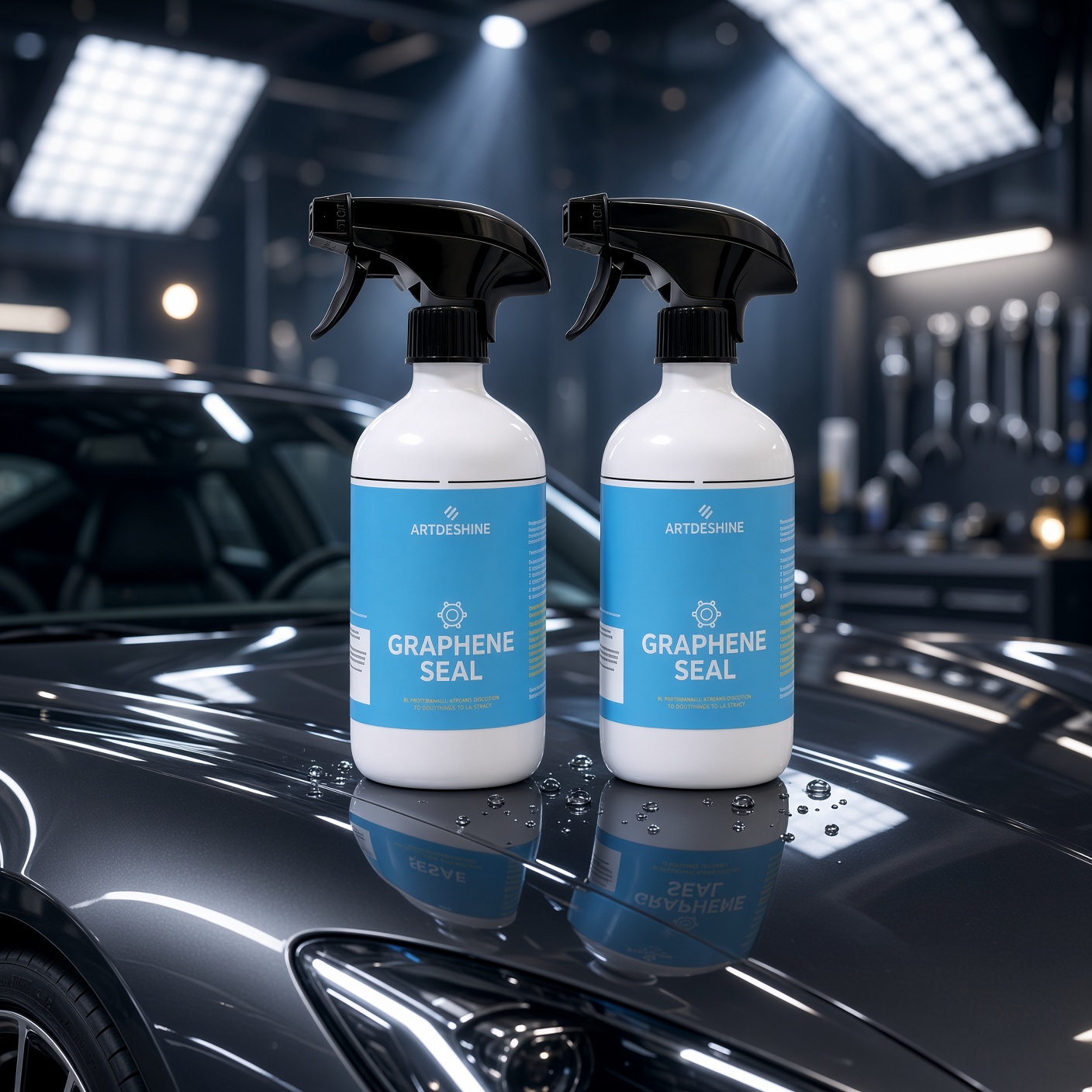
A focused finishing step for slickness and water beading after washing.
On clean, cool, dry, smooth paint, apply 2–5 light mists to a T2, spread thinly over about one square metre and buff with a second T2. Maintenance only: not a scratch, swirl or stain remover.
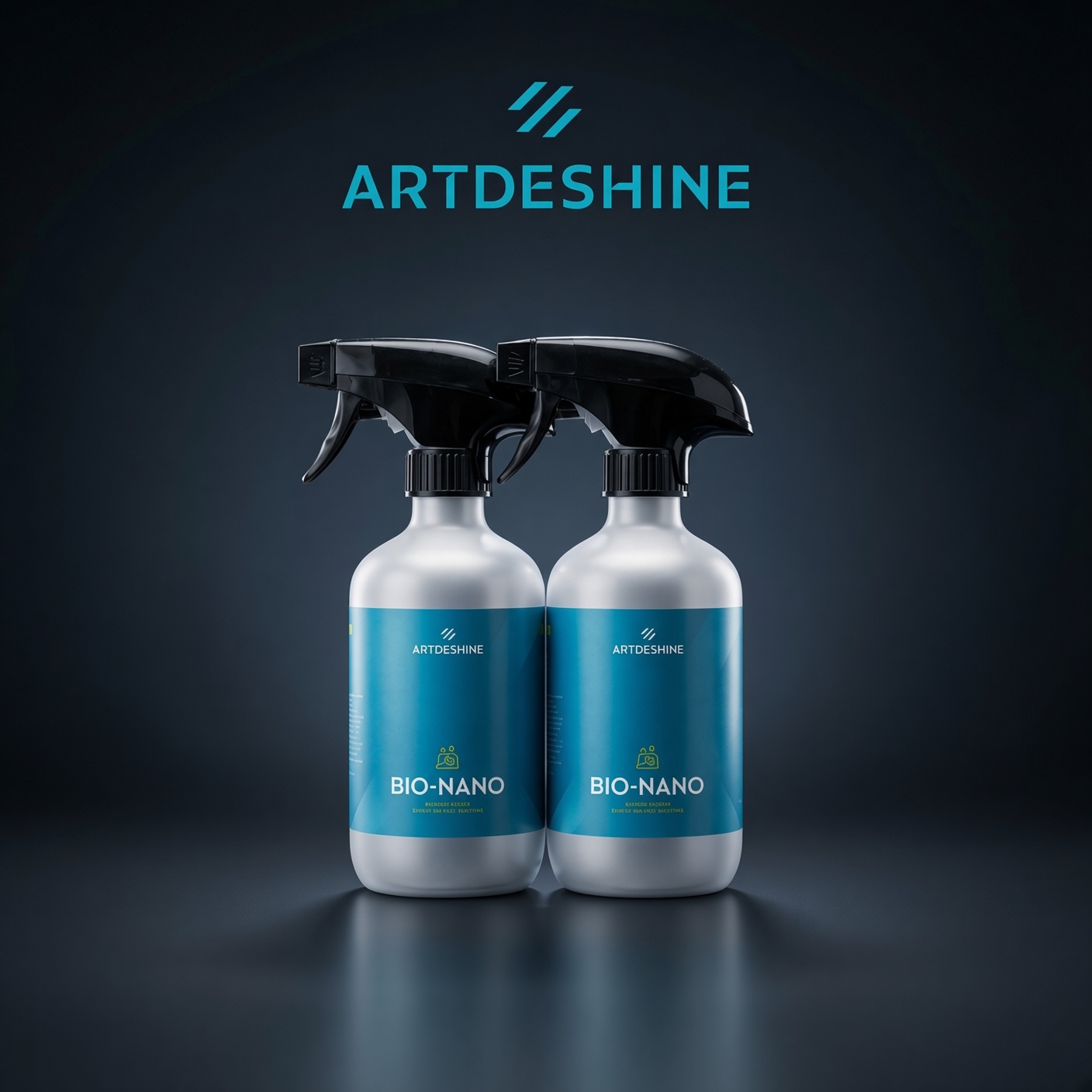
Convenient wet-panel maintenance after washing. Spread, dry and buff — no rinse after application.
After washing and rinsing, keep paint cool and wet. Apply 3–4 light mists per square metre, spread with a clean wet T2, dry with a Drying Towel and final-buff with a clean dry T2. Do not rinse after application; follow the bottle.
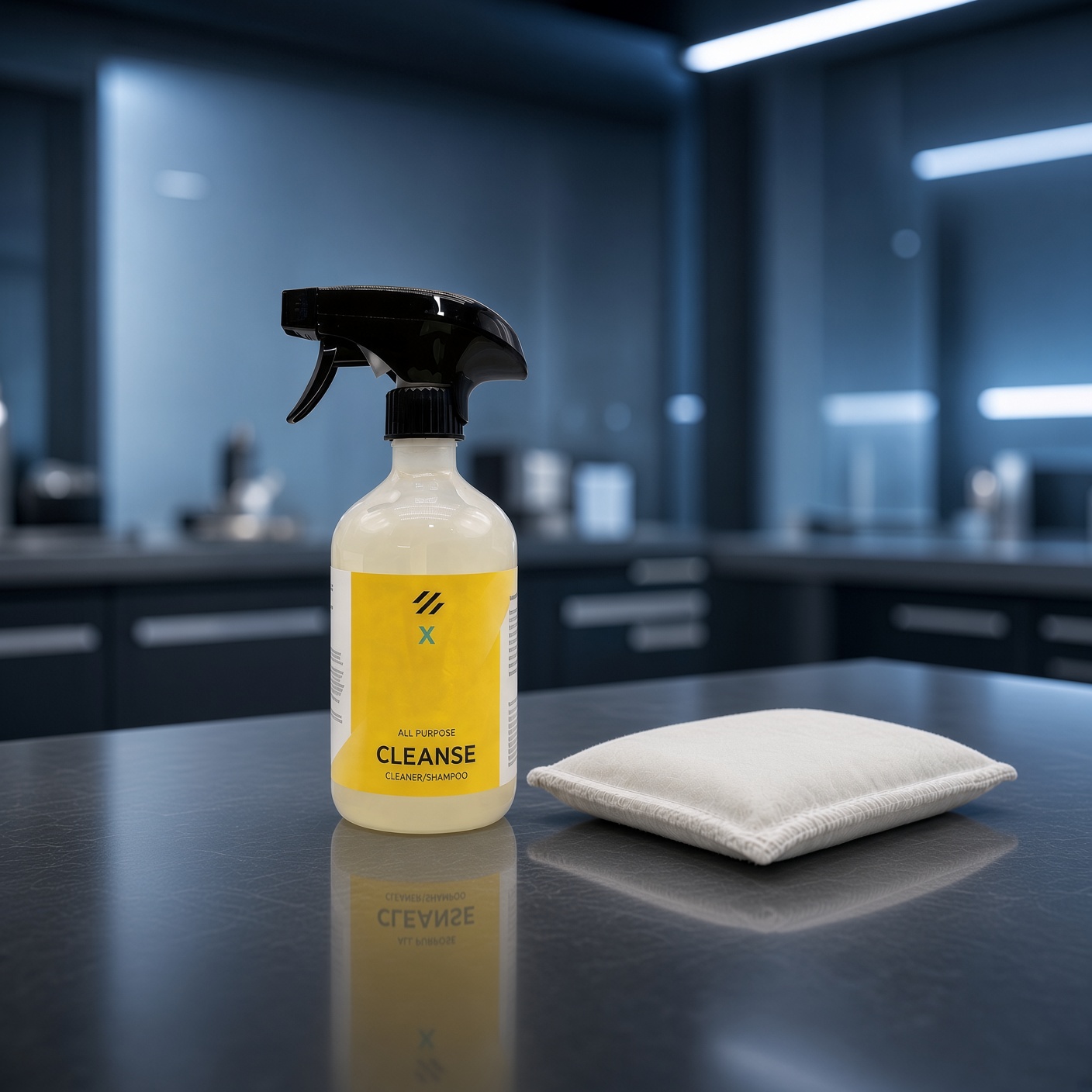
A mild cleaner for interior surfaces and leather-care routines.
Test first. Apply Cleanse to a lightly damp T2, wipe compatible surfaces, collect dirt and residue with a clean damp cloth, then dry with a separate T2. Keep liquid out of vents and electronics.
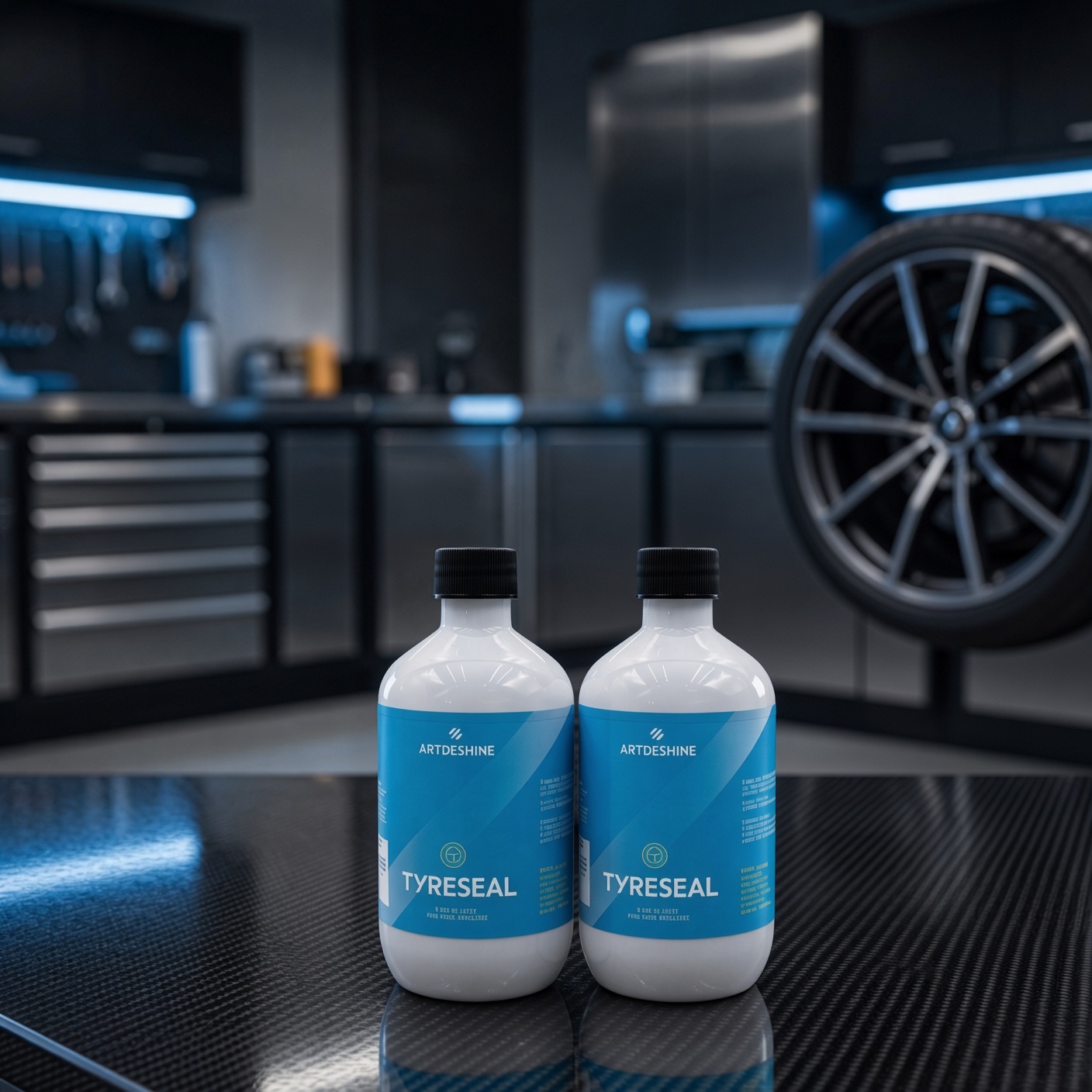
Helps complete the detailed look with an even tyre-sidewall finish.
Apply to a clean, dry tyre sidewall with an applicator, spread evenly and allow 15–20 minutes to dry before driving.
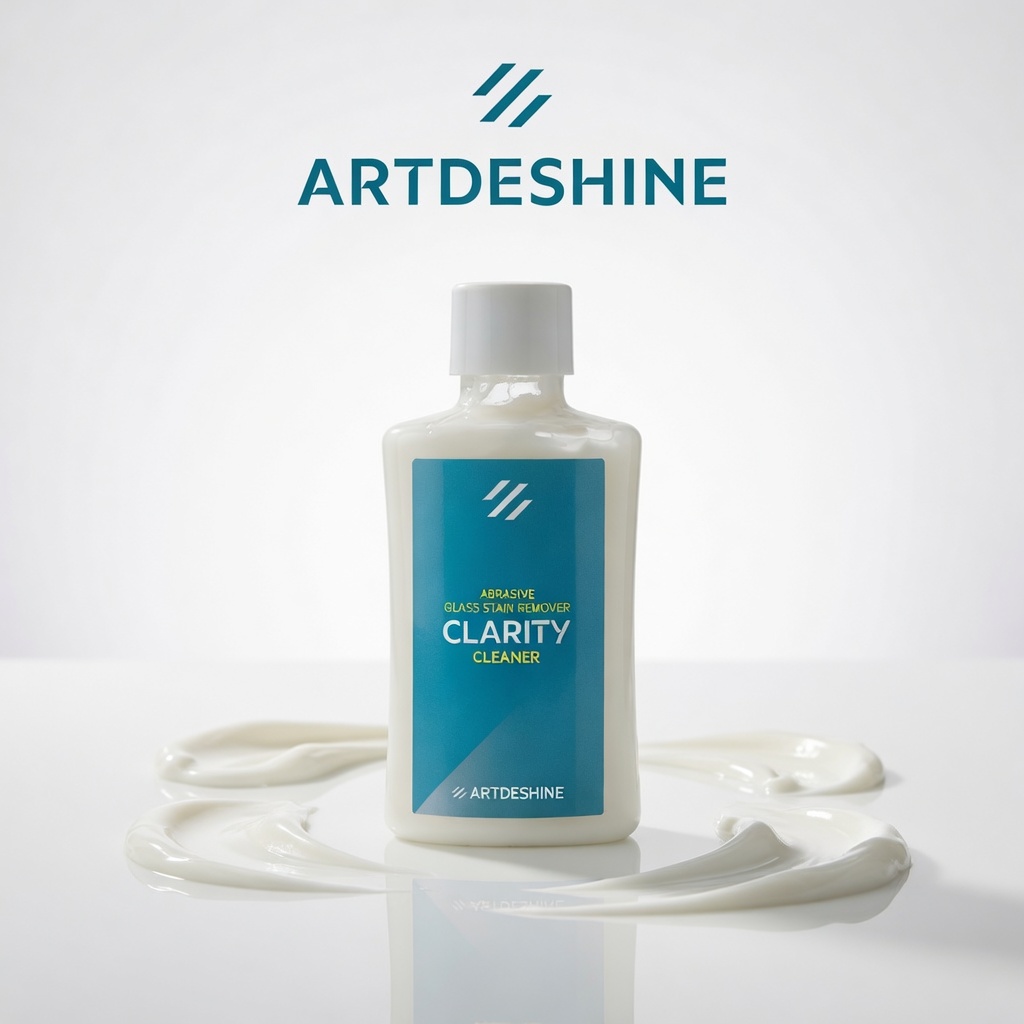
An abrasive polish for suitable unfilmed exterior-glass stains, after routine cleaning.
Check compatibility and test cool, unfilmed exterior glass. Follow the Clarity label with its soft applicator. Keep off mirrors, interior glass, tint and films; polishing may remove glass coatings.
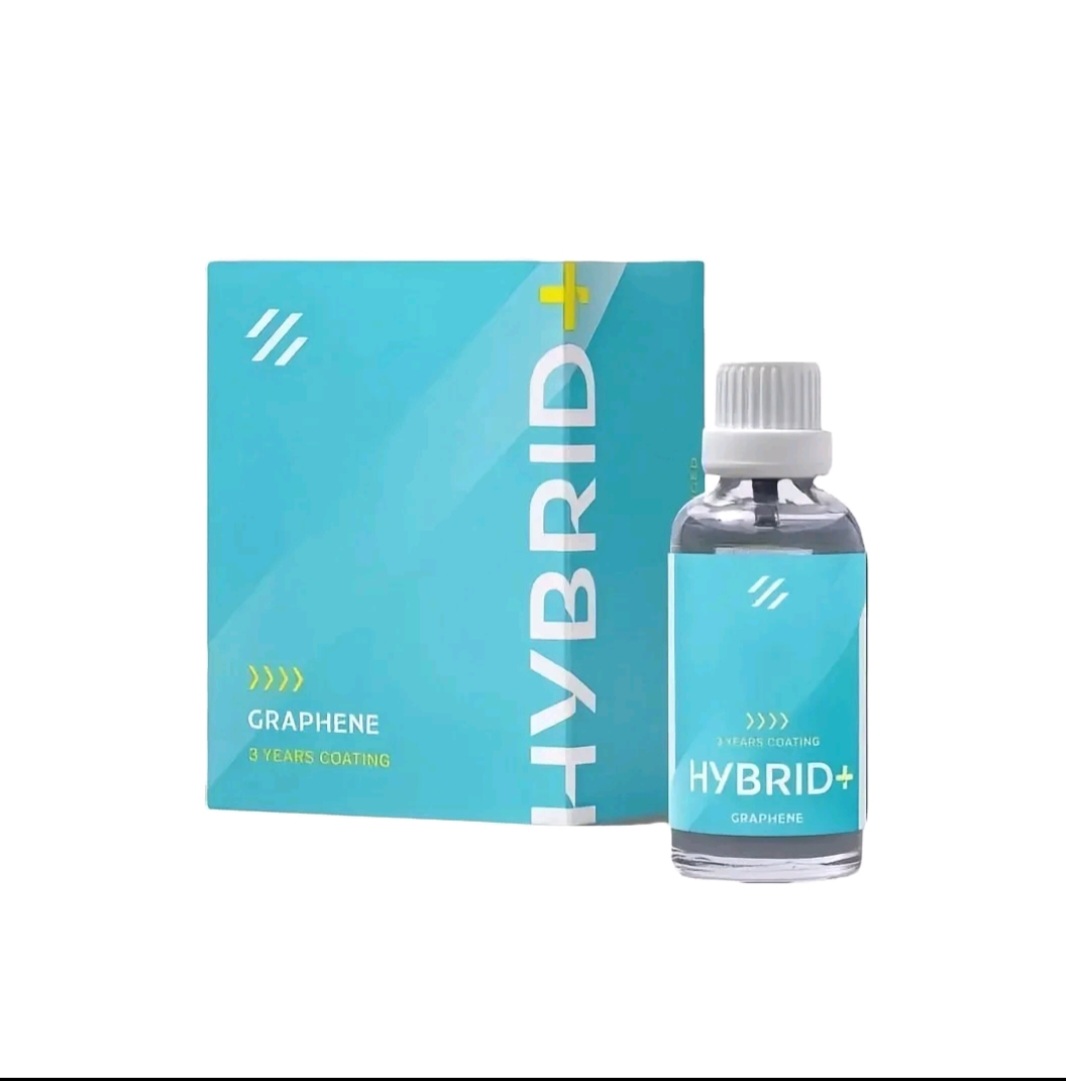
Professional paint-protection service for customers ready to move beyond DIY maintenance.
Book through an authorised installer for preparation and professional application.
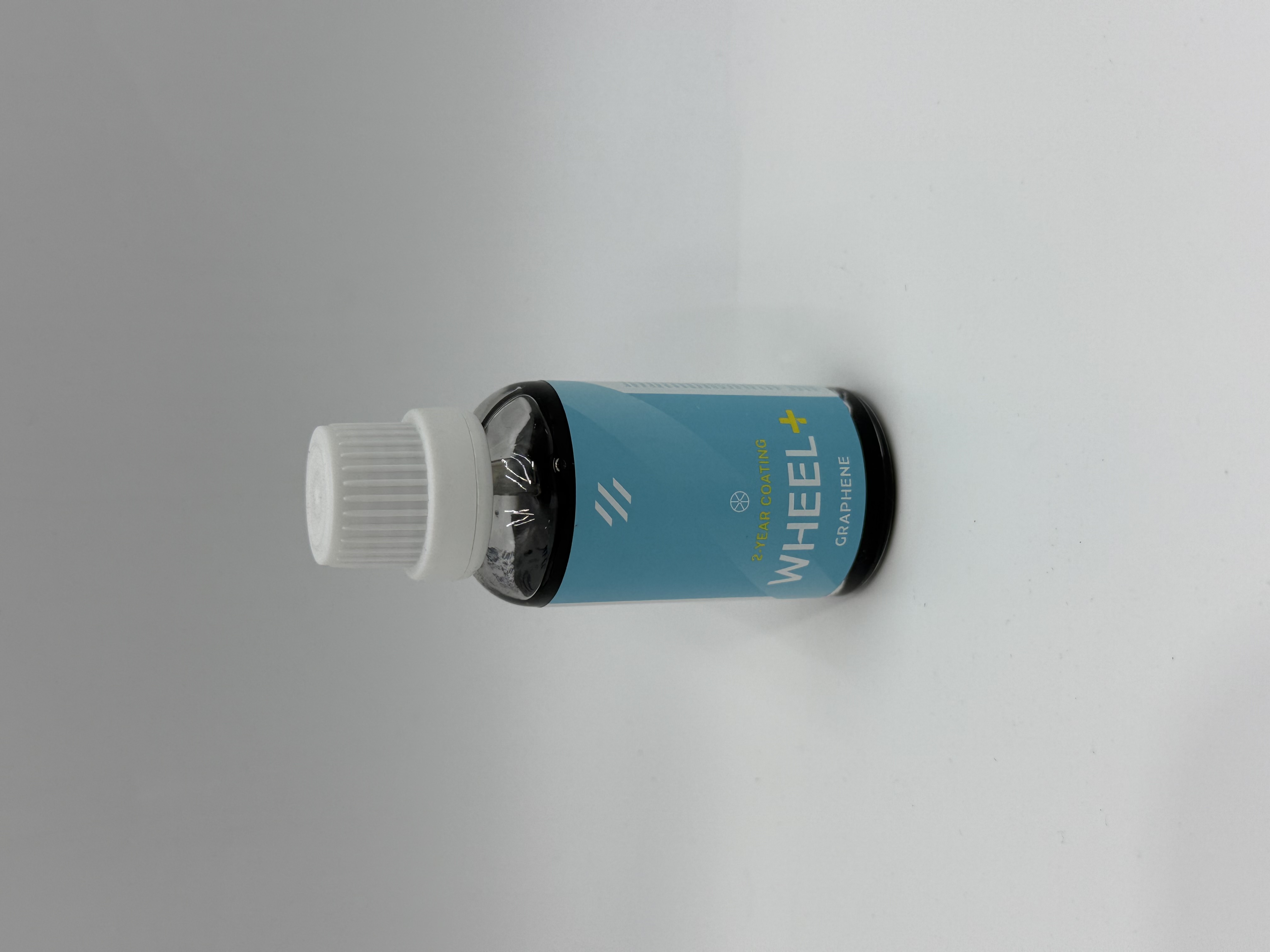
Professional coating care dedicated to wheel surfaces.
Have the surface prepared and applied by an authorised installer.
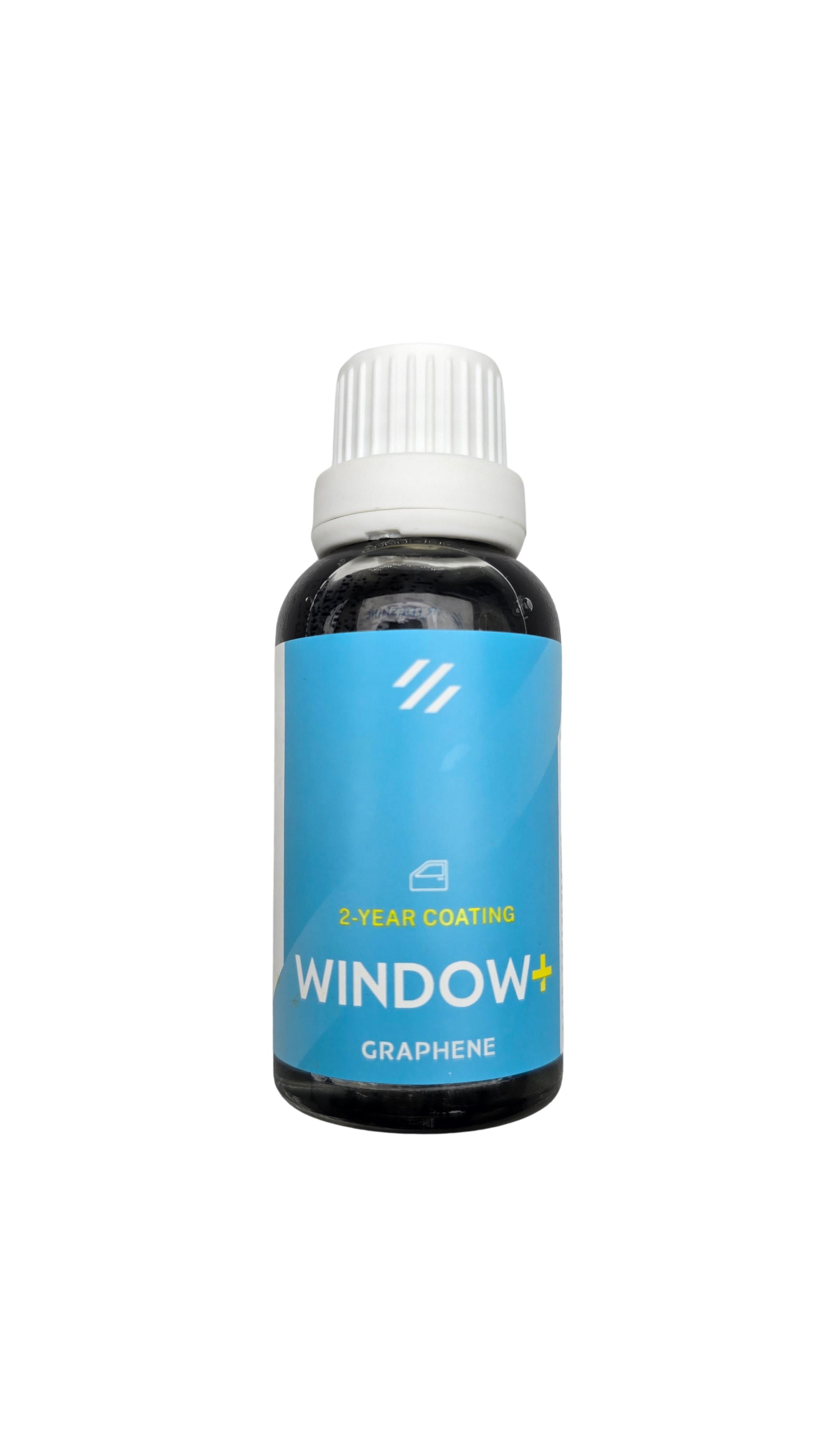
Professional glass-protection service for a prepared window surface.
Have the glass assessed, prepared and applied by an authorised installer.
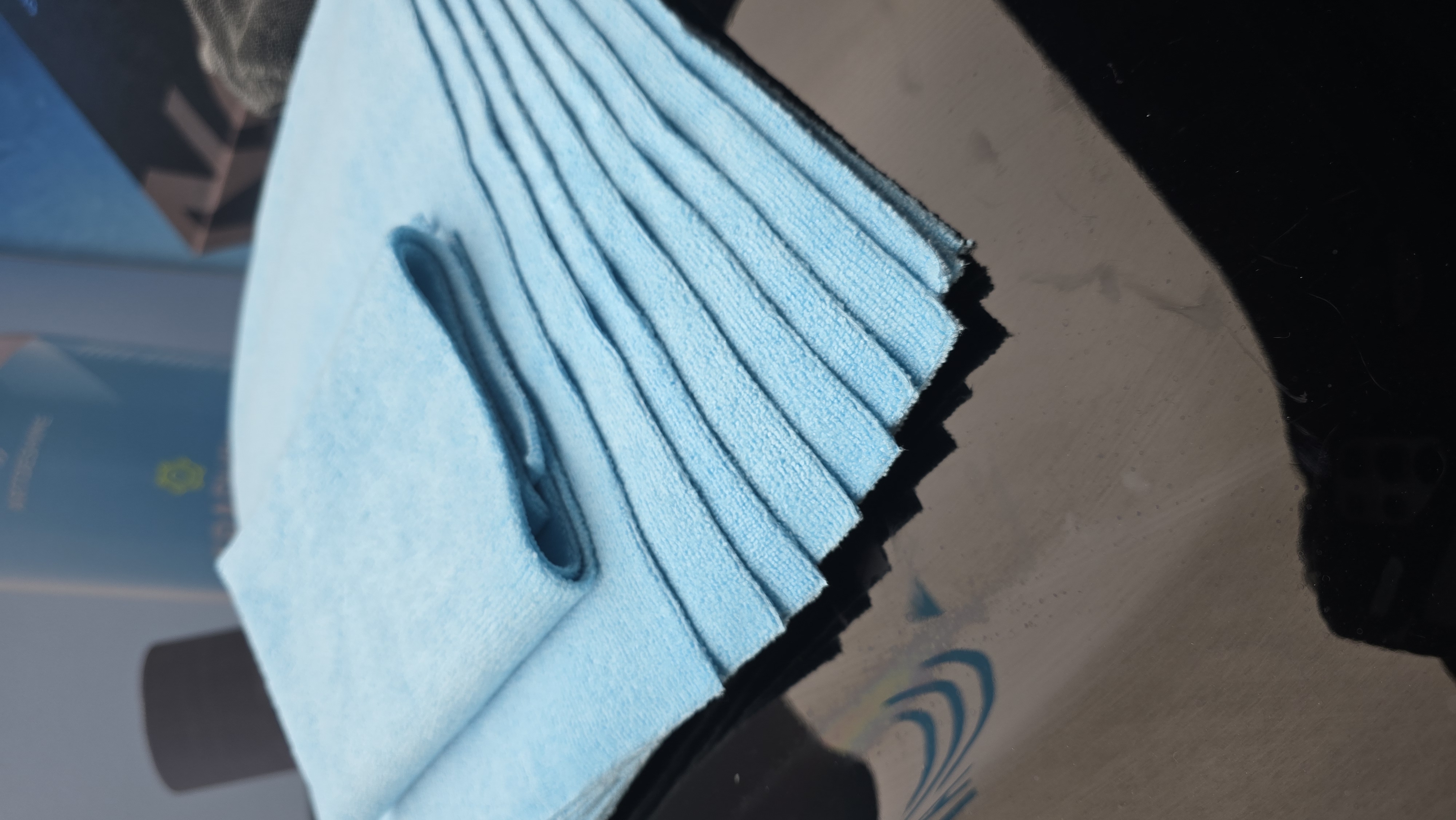
A compact microfiber cloth for controlled application and final wiping.
Use separate clean sides for application and finishing to avoid wasting product.
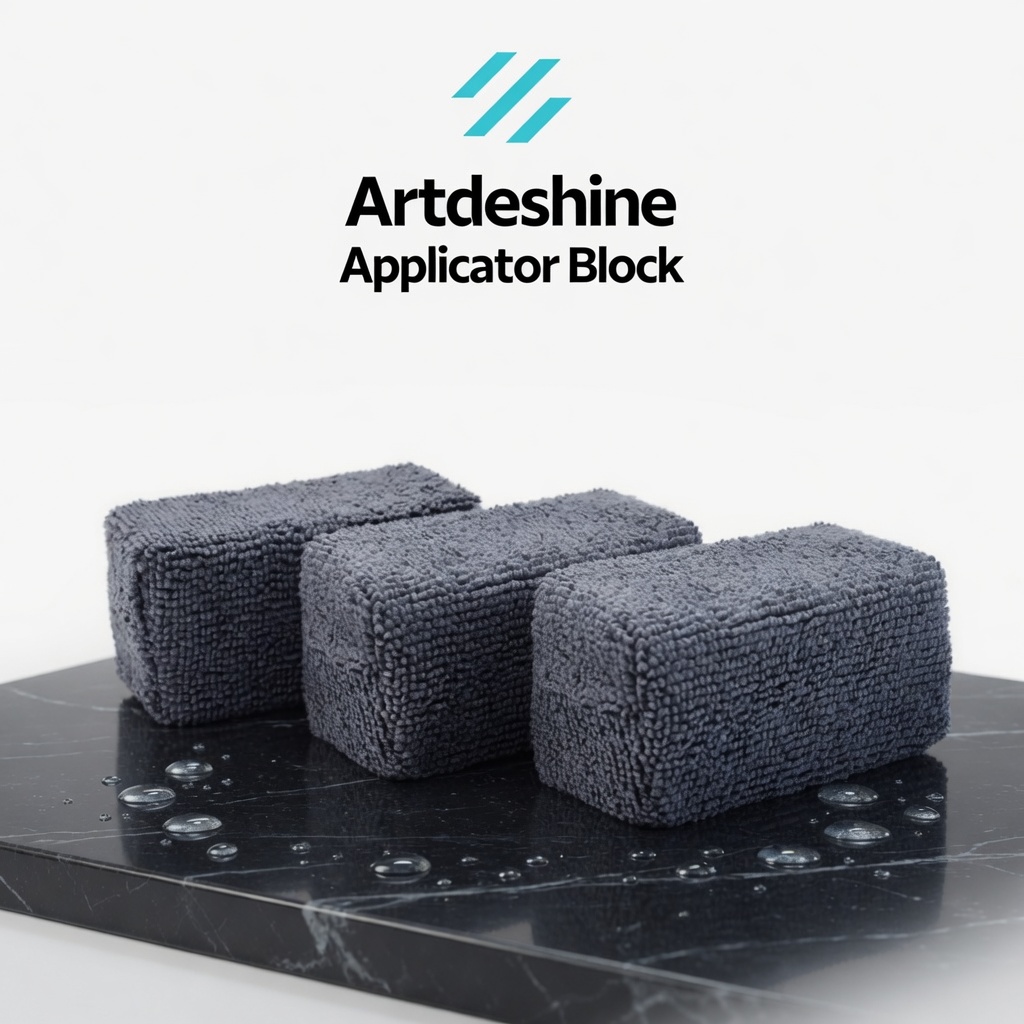
Helps distribute tyre and coating products evenly across the target surface.
Add a small amount of product and work methodically across the surface.
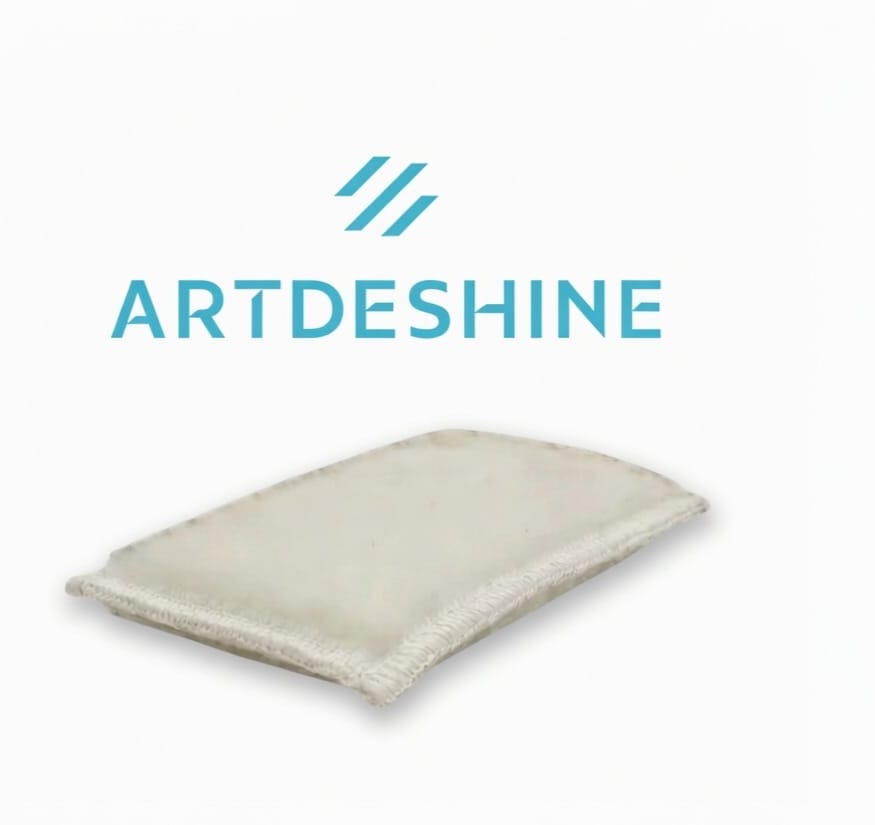
Adds gentle mechanical cleaning action to a Cleanse interior routine.
Dampen first, apply Cleanse to the scrubber, work the area and wipe dry.
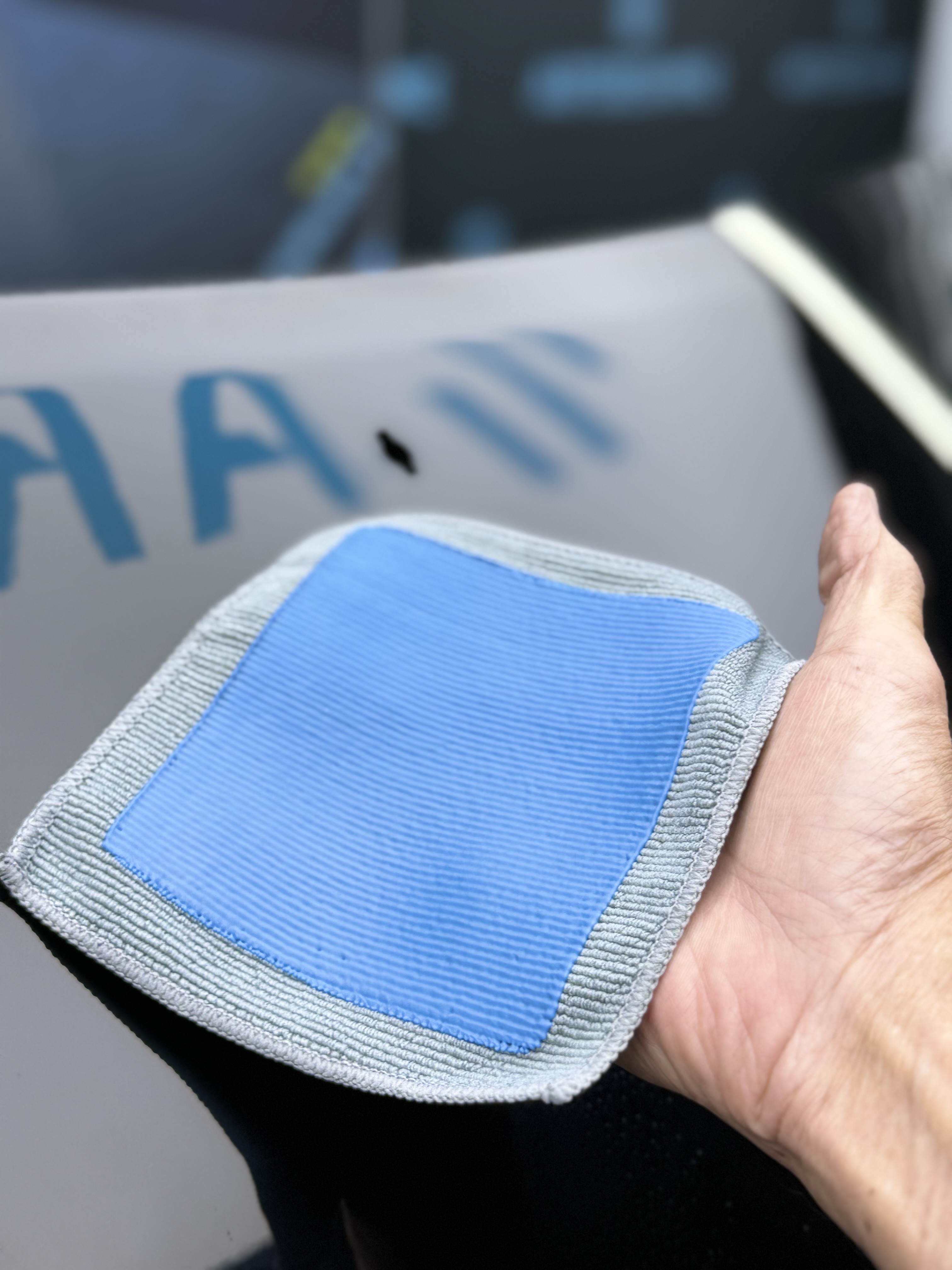
Clay cloth is used to smoothen the car paint surface and glass surface. This is to remove fallouts, overspray and environmental pollutants that caused the paint surface become rough.
To use the clay cloth, the surface need to be wet.
Both support regular car care, but they fit different application preferences.
Understand correction, coatings and aftercare, including when to stop and seek a practical assessment.
Explore the lesson